


Company Info
Prensa
Questions
Clientes
© 2015 Good Ideas for Internet LTD. All rights reserved
Reciba mensualmente información sobre las novedades de nuestros servicios.
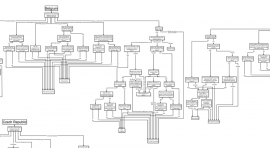
Consumers of content in principle have the right to use works which are in the public domain without permission and with no copyright restrictions. In practice however determining if a work has passed into the public domain can often prove difficult. This is especially true when attempting to determine the public domain status of content in multiple jurisdictions.
Coordinated enforcement of intellectual property (IP) rights—copyright, patents and trade marks—has been an elusive goal for Europe. Back in 2005, the European Commission struggled to introduce a directive known as IPRED2 that would criminalize commercial-scale IP infringements, but abandoned the attempt in 2010 due to jurisdictional problems. IP maximalists took another run at it through ACTA, the Anti-Counterfeiting Trade Agreement, but that misguided treaty was roundly defeated in 2012 when the European Parliament rejected it, 478 votes to 39.
Undeterred, the European Commission is trying once again. This time, it is trying to avoid a similarly humiliating defeat in Parliament by focusing on non-legislative strategies. But its effort to sidestep Parliament also means less political or judicial oversight. So it behooves us to take a close look at what is being proposed.
Acaba de publicarse un nuevo reglamento que tiene por objeto intensificar el control del respeto de los derechos de propiedad intelectual por las autoridades aduaneras.
El Reglamento nº 608/2013 ampliará, entre otras disposiciones, la lista de posibles vulneraciones de los derechos de propiedad intelectual que las autoridades aduaneras deberán vigilar en las fronteras.
Entre las vulneraciones contempladas en el nuevo reglamento se incluyen las marcas similares que inducen a confusión.